Introduction
Iron deficiency anemia in women is a common health issue. It happens when your body does not have enough iron. As a result, you may feel tired or weak. Many women face this problem at some point in their lives. Because iron is vital for making healthy red blood cells, low levels can affect your daily life. In this blog, you will learn about the causes, symptoms, and ways to prevent iron deficiency anemia in women.
What Is Iron Deficiency Anemia?
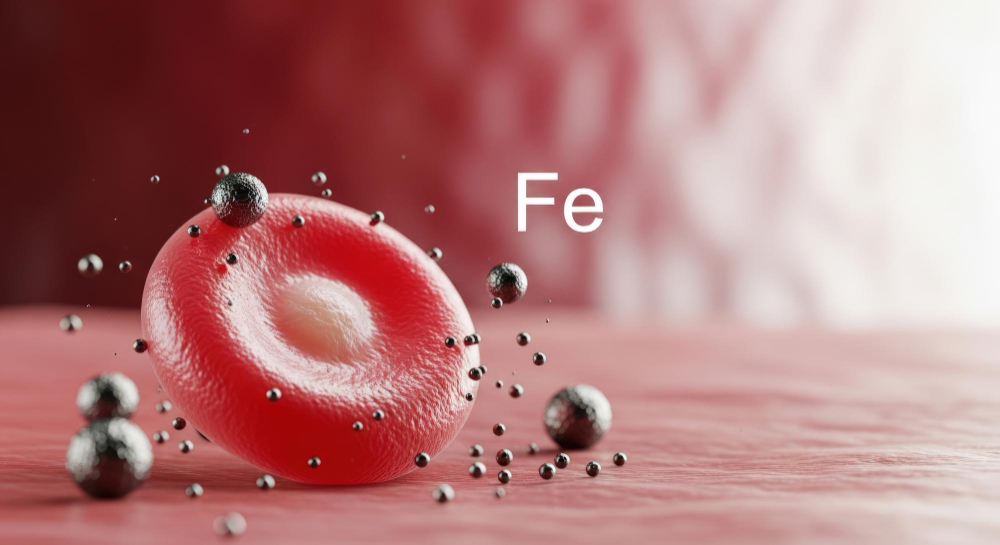
Iron deficiency anemia means your body lacks enough iron to make hemoglobin. Hemoglobin is a part of red blood cells that carries oxygen. Without enough iron, your body cannot produce healthy red blood cells. Therefore, less oxygen reaches your organs and tissues. This can make you feel tired, weak, or short of breath. According to the World Health Organization (WHO), iron deficiency is the most common cause of anemia worldwide.
Common Causes in Women
Women are more likely to have iron deficiency anemia than men. Several reasons explain this difference. For example, women lose blood during their monthly periods. This blood loss can lower iron levels. In addition, pregnancy increases the need for iron. Without enough iron, both mother and baby can be at risk. Other causes include:
Because these factors are common, women should pay extra attention to their iron intake.
Recognizing the Symptoms
Iron deficiency anemia can cause many symptoms. Sometimes, these signs are mild at first. However, they may get worse over time. Common symptoms include:
If you notice these symptoms, it is important to talk to a healthcare provider. Early treatment can help prevent serious problems.
How Is It Diagnosed?
Doctors use simple blood tests to check for iron deficiency anemia. First, they may order a complete blood count (CBC). This test measures your red blood cells and hemoglobin levels. Next, they might check your ferritin level. Ferritin shows how much iron your body stores. Sometimes, other tests are needed to find the cause. For example, your doctor may ask about your diet or menstrual cycle. Early diagnosis helps you get the right treatment quickly.
Prevention Tips for Women
There are many ways to prevent iron deficiency anemia in women. Because prevention is easier than treatment, these tips can help:
By following these steps, you can lower your risk of iron deficiency anemia.
Lifestyle and Dietary Guidance
Healthy habits play a big role in preventing low iron. For instance, plan balanced meals that include iron-rich foods. Some good choices are:
Additionally, try to cook in iron pots, as this can add iron to your food. If you follow a vegetarian diet, you may need more plant-based iron sources. Always pair these foods with vitamin C to boost absorption. Remember, a healthy lifestyle supports your overall well-being.
In summary, iron deficiency anemia in women is common but preventable. Early recognition and healthy habits can make a big difference. Consult Dr. Mys Khan for personalized advice on iron deficiency anemia.