Introduction to Hydropneumothorax
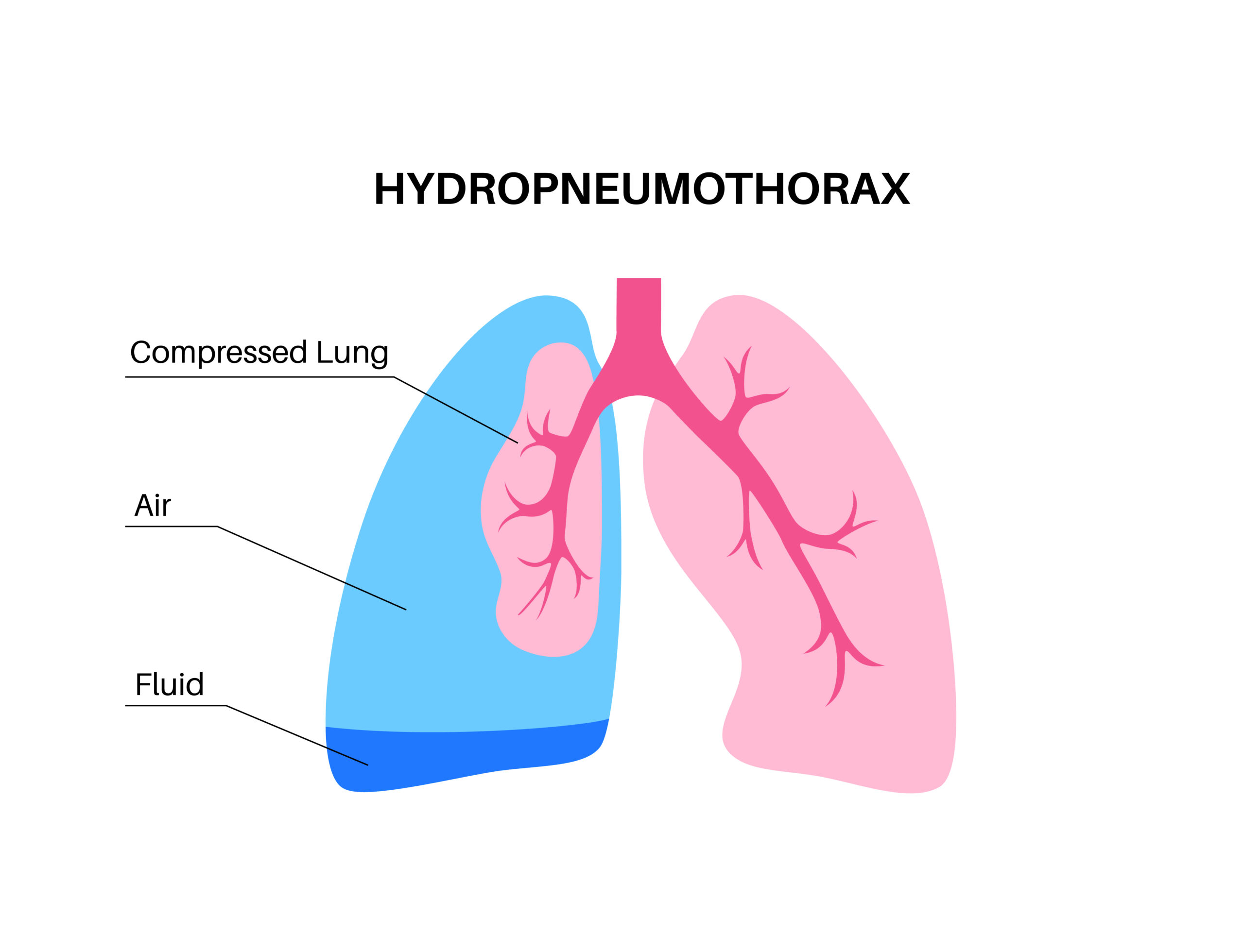
Hydropneumothorax is a medical condition where both air and fluid collect in the space around the lungs. This space is called the pleural cavity. When this happens, breathing can become hard. Early detection is important. Hydropneumothorax can affect anyone, but some people are at higher risk. In this blog, we will explore hydropneumothorax causes, symptoms, and Unani treatment options. We will also discuss prevention and when to seek help.
Etiology: Causes and Risk Factors
Understanding the causes of hydropneumothorax helps in its prevention and care. There are several reasons why this condition may develop. For example, it can happen after a chest injury. Sometimes, lung infections or diseases like tuberculosis can lead to it. In rare cases, medical procedures may cause it. According to Unani medicine, an imbalance in body humors can also play a role. The main risk factors include:
Moreover, people who smoke or have poor lung health are at greater risk. Early awareness of these hydropneumothorax causes can help prevent complications.
Signs and Symptoms of Hydropneumothorax
Recognizing the symptoms of hydropneumothorax is important for timely care. The signs may appear suddenly or develop over time. Common symptoms include:
Sometimes, the skin or lips may turn blue due to low oxygen. If you notice these symptoms, seek medical help right away. Early treatment can prevent serious problems.
Diagnosis: Conventional and Unani Approaches
Doctors use several methods to diagnose hydropneumothorax. First, they ask about your symptoms and medical history. Next, they may listen to your chest with a stethoscope. Often, imaging tests like chest X-rays or CT scans are needed. These tests help confirm the presence of air and fluid in the pleural cavity. Blood tests may also be done to check for infection.
In Unani medicine, diagnosis involves a detailed look at the patient’s overall health. Unani doctors may check the balance of body humors (Akhlat) and look for signs of imbalance. They also consider lifestyle, diet, and past illnesses. Both approaches aim to find the cause and guide the best treatment.
Treatment Options: Focus on Unani Treatments
Treatment for hydropneumothorax depends on its cause and severity. Conventional care may include draining the air and fluid from the chest. Sometimes, antibiotics are needed if infection is present. In severe cases, surgery may be required.
Unani treatment for hydropneumothorax focuses on restoring balance in the body. Unani doctors may use herbal medicines, dietary changes, and natural therapies. Some common Unani remedies include:
However, Unani treatments should always be used along with modern medical care. This ensures safety and the best results.
Prevention and Lifestyle Guidance
Preventing hydropneumothorax is possible with some simple steps. For instance, avoid chest injuries by using seat belts and safety gear. If you have lung disease, follow your doctor’s advice closely. In addition, Unani medicine recommends a balanced diet and regular exercise to keep the lungs healthy. Here are some tips:
Moreover, regular health check-ups can help catch problems early. Good lifestyle habits support both prevention and recovery.
When to Seek Medical Help
It is important to know when to get medical help for hydropneumothorax. Seek care right away if you have:
Early treatment can save lives. Even if symptoms seem mild, it is best to consult a doctor. Timely care prevents complications and supports faster recovery.
Conclusion
Hydropneumothorax is a serious condition in which air and fluid collect around the lungs and affect normal breathing. Recognizing symptoms such as sudden breathlessness, chest pain, or weakness is important for timely medical attention.
Treatment depends on the underlying cause and severity, and supportive therapies should never replace necessary emergency care. Prompt diagnosis and appropriate specialist management can help reduce complications and support recovery.
Experiencing sudden breathlessness or chest pain? Consult Apollo Institute Of Chest & Critical Care for expert evaluation and specialized respiratory and critical care.