Introduction to Monsoon Related Illnesses
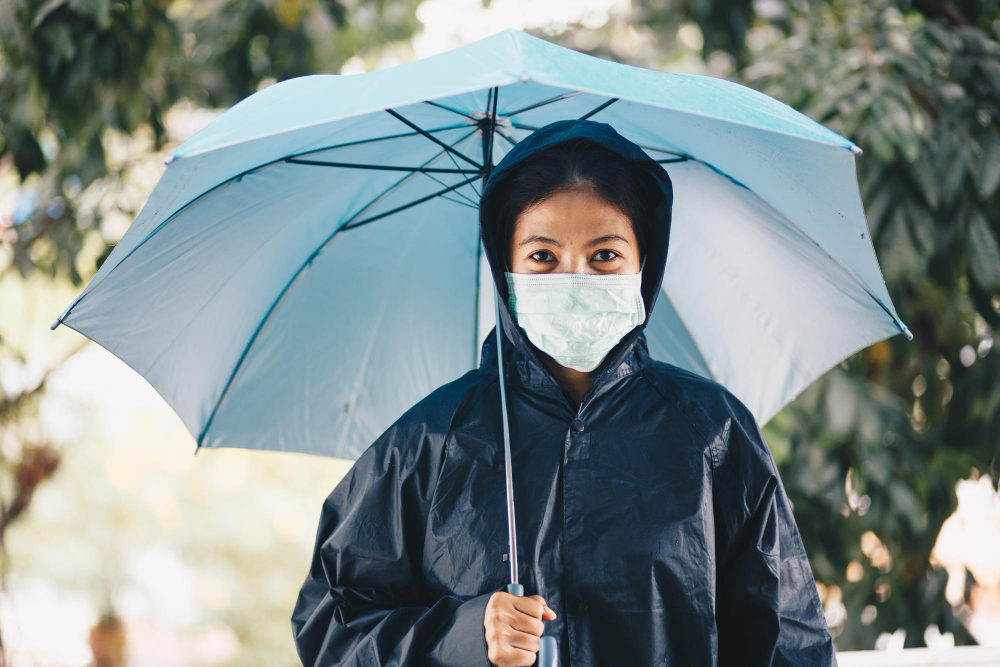
The rainy season brings relief from heat, but it also increases the risk of infections. Preventive measures for monsoon related illnesses are important for everyone. During this time, water and air can spread germs more easily. As a result, many people fall sick. However, with the right steps, you can protect yourself and your family. In this blog, you will learn about common monsoon illnesses, their symptoms, and how to prevent them. These monsoon health tips will help you stay healthy all season.
Common Illnesses During Monsoon
Many diseases become more common during the rainy season. Here are some of the most frequent illnesses:
Symptoms to Watch For
Early detection helps prevent complications. Therefore, watch for these symptoms during the monsoon:
If you notice these signs, seek medical help quickly. Early care can prevent serious illness.
Causes and Risk Factors
Monsoon illnesses have several causes. Most are linked to water and hygiene. For example, stagnant water allows mosquitoes to breed. Also, heavy rains can contaminate drinking water. Poor sanitation increases the risk of infections. In addition, crowded places make it easier for germs to spread. Children, elderly people, and those with weak immunity are at higher risk. People living in flood-prone or low-lying areas should be extra careful.
Essential Preventive Measures
Taking preventive measures for monsoon related illnesses can keep you safe. Here are some effective tips:
Following these monsoon health tips can lower your risk of falling sick.
Home and Lifestyle Guidance for Prevention
Besides basic hygiene, your daily habits matter. Here are some home and lifestyle tips for rainy season illness prevention:
These simple steps can help you and your family stay healthy during the monsoon.
When to Seek Medical Help
Sometimes, home care is not enough. If you have a high fever for more than two days, visit a doctor. Also, seek help if you have severe vomiting, dehydration, or trouble breathing. If you see blood in stool or urine, get medical attention right away. Early treatment can prevent serious problems. Do not ignore warning signs, especially in children and elderly people.
Conclusion
In summary, the rainy season brings both joy and health risks. However, you can avoid most monsoon related illnesses with simple preventive steps. Stay alert, follow good hygiene, and take care of your surroundings. For any health concerns, consult a general physician Dr. Mys Khan for personalized advice. Stay safe and enjoy the monsoon!